
Testing your water: which test kits you need
Which water tests matter for freshwater and reef tanks, how often to test, and which kits to buy.
Testing tells you what’s happening before your fish or corals show it. You don’t need every kit on day one. Start with the basics for your tank type and add more as your tank grows.
What you’ll need: freshwater


Seachem MultiTest: Nitrite & Nitrate
Seachem MultiTest: Nitrite & Nitrate$16.64


What you’ll need: reef


Tropic Marin Pro Nitrite & Nitrate
Tropic Marin Pro Nitrite & Nitrate Test Kit$39.49

Seachem MultiTest: pH & Alkalinity
Seachem MultiTest: pH & Alkalinity$16.64

What each test tells you
- Ammonia and nitrite: should read zero in an established tank. Any reading means the biofilter is behind. Test daily while cycling.
- Nitrate: builds up over time and is lowered by water changes (and plants in freshwater).
- pH: sudden swings matter more than the exact number.
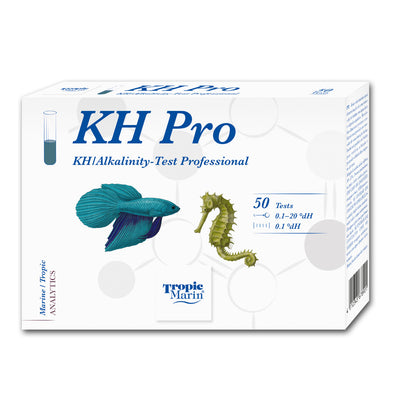
- Alkalinity (KH): the most important reef test. Corals use it, and keeping it steady matters more than chasing a number.
- Calcium and magnesium: worth testing once you keep stony corals.
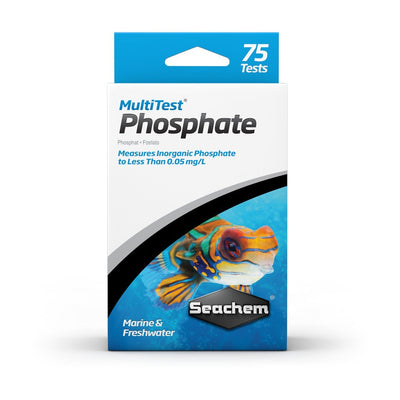
- Phosphate: high levels feed algae in reef tanks.
- Salinity: check each new batch of saltwater and the display regularly.
How to get reliable results
- Read the instructions every time. Sample size, drop counts and wait times differ between brands and tests.
- Use clean vials. Rinse with tank water before and RO water after.
- Test at the same time of day. pH and some other readings drift during the day.
- Log your results. A simple note on your phone shows trends that one reading can’t.
- Check expiry dates. Old reagents give false readings. Replace kits when they expire.
-
Calibrate your refractometer. Use calibration fluid rather than plain RO water for seawater accuracy.
 Brightwell Calibration StandardView product →
How often to test
- While cycling: ammonia and nitrite daily.
- First few months: your core tests weekly.
- Established reef: alkalinity often, since it changes fastest; calcium, magnesium and nitrate/phosphate on a regular schedule.
- Something looks wrong: test right away, before changing anything.
Strips or liquid kits?
Strips are fast and good for a quick weekly check. Liquid and titration kits are more precise, which matters for reef parameters like alkalinity. Many hobbyists use both.
When results look off
Re-test before reacting; a single odd reading is often a testing error. If it’s confirmed, change one thing at a time, and correct slowly. Big, fast corrections are usually harder on livestock than the problem itself. A partial water change is the safest first step for most nitrogen problems.